Home / Rehabilitation After Knee Arthroscopy
Knee arthroscopy rehabilitation Warsaw
After arthroscopy the knee needs well-planned rehabilitation. We choose exercises for the type of procedure and the stage of healing, from the first days to a return to sport.
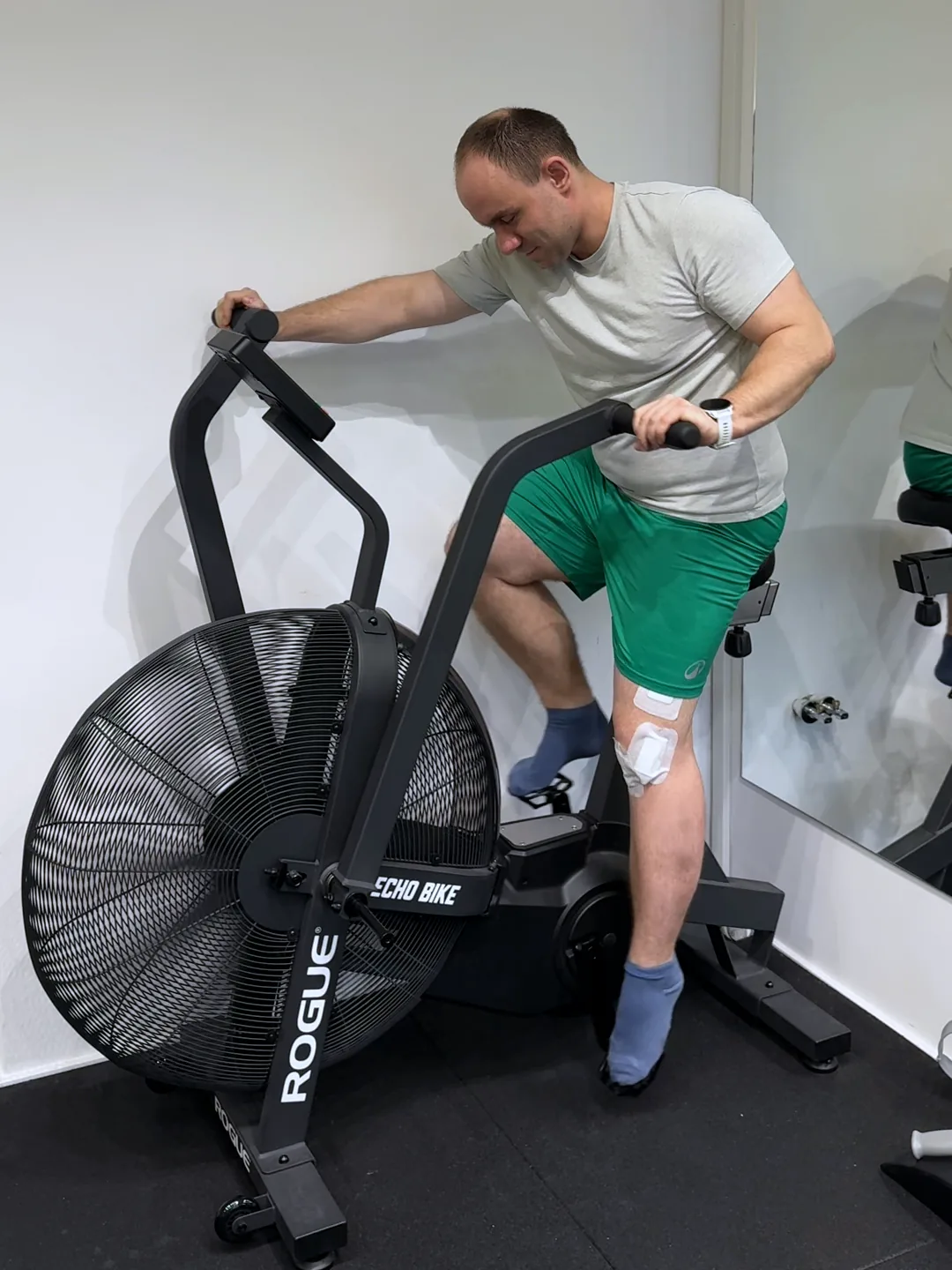
What patients come with
When to start rehabilitation after knee arthroscopy
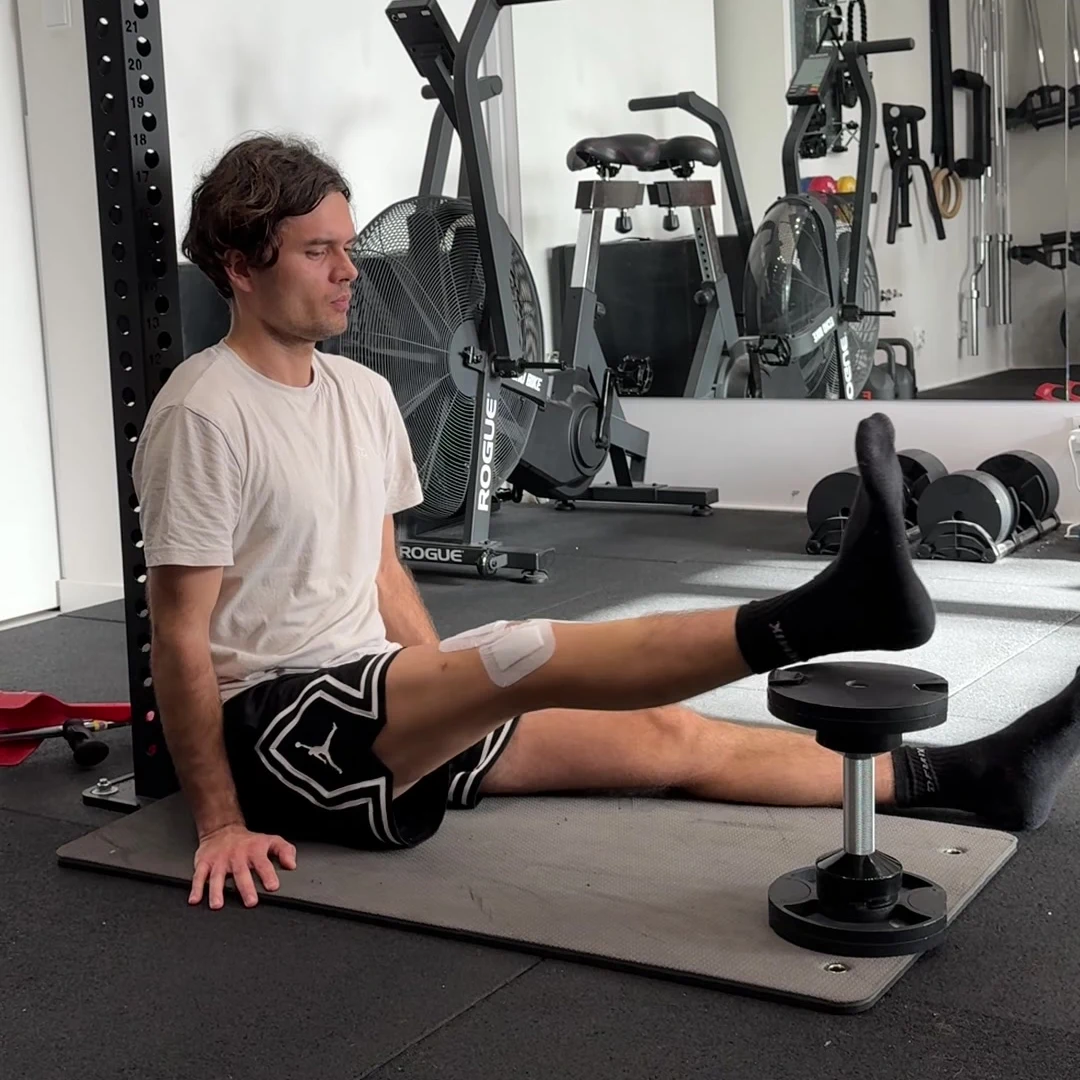
Before the procedure
Before you end up on the operating table, it is worth improving the range of motion and the strength of the muscles around the knee. This gives you a better starting point for the rehabilitation that follows.
Right after the procedure
Right after the procedure we focus on offloading the knee joint. We adjust the pace to how the knee responds, for example to swelling the next day.
A few weeks or months later
If a few weeks have already passed since surgery, it is still a good moment. We start from where you are now and adapt the plan to what your knee can do at present.
What a visit looks like
What rehabilitation after knee arthroscopy looks like
- STEP 01
Diagnosis
We check the range of motion, strength and stability of the knee and ask about the procedure and your doctor’s recommendations. We start exercising at the first visit.
- STEP 02
Individual plan
We adapt the plan to the type of procedure, the stage of healing and your goals.
- STEP 03
Strengthening the stabilising muscles
We gradually increase the load to strengthen the thigh, calf and glute muscles that stabilise the knee.
- STEP 04
Athletic training
We prepare the knee for the demands of your sport or everyday activities: we work on strength, speed and coordination.
Reviews
What patients say after knee arthroscopy
Jestem po artroskopii kolana i szyciu łąkotki, więc rehabilitacja była dla mnie bardzo ważna.
Trafiłam na świetnego fizjoterapeutę – wszystko tłumaczy na spokojnie, ćwiczenia są dobrze dobrane i widać efekty. Atmosfera jest bardzo luźna i bez stresu, a jednocześnie pełen profesjonalizm.
P. Wójcik★★★★★
Knee arthroscopy and meniscus repair
Trafiłem do Jerzego dwa miesiące po artroskopii kolana, szukając pomocy w rehabilitacji i przygotowaniu do rekonstrukcji ACL.
Rehabilitacja idzie w dobrym kierunku, a ja z każdym tygodniem widzę progres. Jerzy to profesjonalista o ogromnej wiedzy, wielkim zaangażowaniu i genialnym podejściem do pacjenta.
Rafał Kosiarski★★★★★
Rehabilitation after knee arthroscopy
See all reviews on Google and Booksy (150+ reviews, average 5.0)
Price
How much does rehabilitation after knee arthroscopy cost
260 PLN
Single visit
60 minutes. The first visit includes an interview, a review of your test results and an assessment of strength and movement patterns.
240 PLN
In a package of 4 visits
960 PLN per package. Good at the start of rehabilitation, when you need several weeks of regular work. Includes a body composition analysis worth 240 PLN.
220 PLN
In a package of 8 visits
1,760 PLN per package. Includes force plate tests and a body composition analysis worth 735 PLN in total.
Studio
Rehabilitation after knee arthroscopy in Praga-Południe
The studio is at Zamoyskiego 49, with the entrance from the Grochowska side. From Warszawa Wschodnia station it is about a 5-minute walk. Parking is about 50 m from the studio.
The same physiotherapist guides you from therapeutic exercise all the way to full loads.
Show on map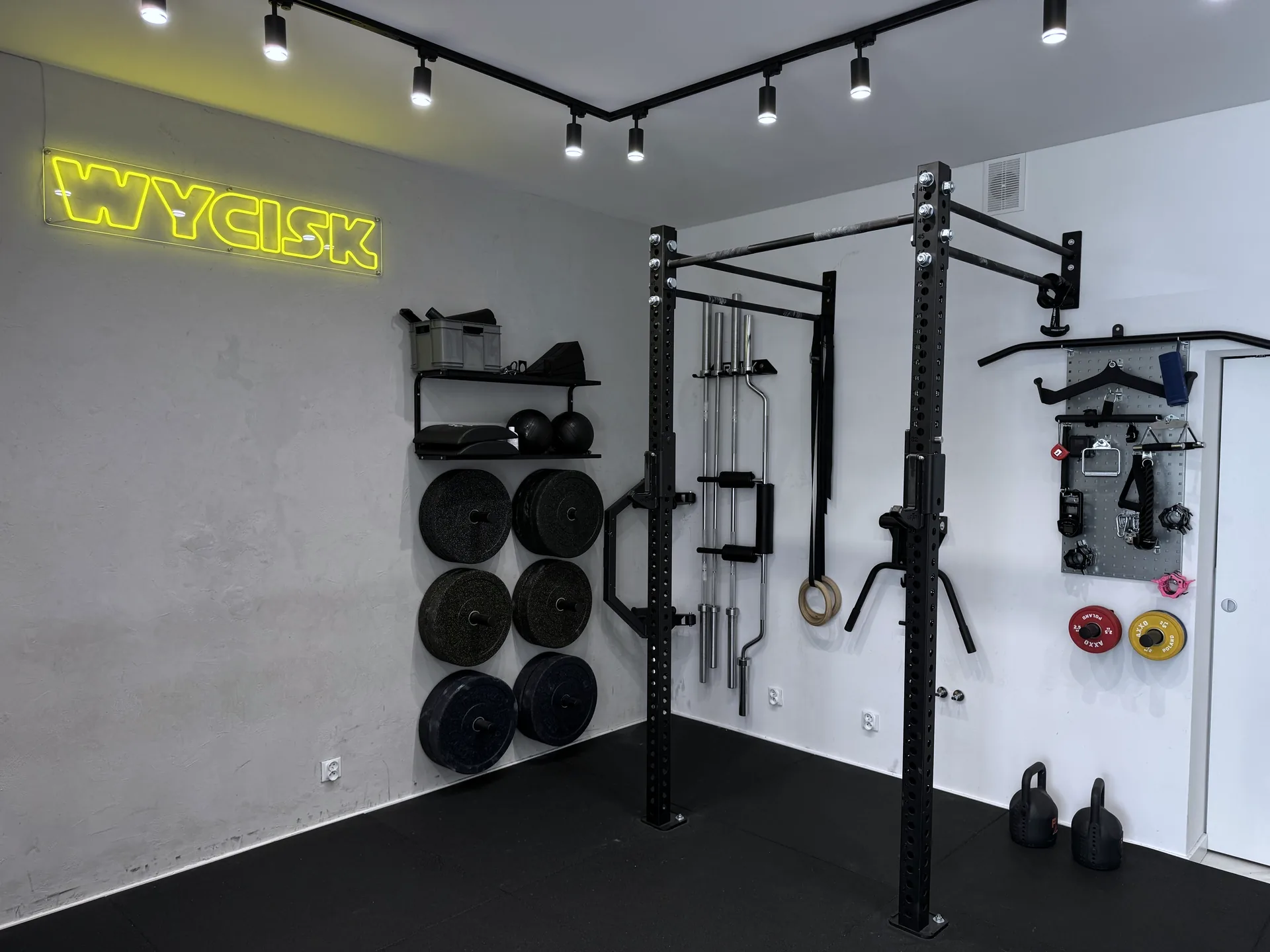
FAQ
Knee arthroscopy: frequently asked questions
The decision to have surgery raises many questions: about the course of the operation, time in hospital, the risk of complications or the length of recovery. It is natural to want to know what to expect before the surgeon begins. Below we have collected answers to the questions our patients ask most often before and after knee arthroscopy.
What is knee arthroscopy and how long does it take?
Arthroscopy is a minimally invasive procedure in which the surgeon inserts a camera and specialist instruments into the knee joint through small incisions. It lets them assess the structures inside the joint (articular cartilage, menisci or ligaments, including the ACL) and at the same time carry out the necessary work, such as removing damaged tissue or repairing a ligament. The procedure is done under general or regional anaesthesia and usually takes from 30 minutes to an hour and a half, depending on the scope of the intervention.
When is arthroscopy performed?
The procedure is performed for injuries that require direct intervention in the joint, when other treatment does not work or when the damage is too extensive to heal on its own. The most common indications are meniscus injuries, cartilage damage, ACL rupture and kneecap problems.
What happens if I do not rehabilitate?
Skipping rehabilitation after arthroscopy is a risk not worth taking. Without properly led exercise the muscles around the knee quickly lose strength and the joint loses mobility. Contractures, gait problems and permanent loss of knee function can develop. Missing out on learning to walk with crutches and on gradually returning to loading the limb also raises the risk of complications. In short: without rehabilitation the operation may not bring the expected results, and a return to full function becomes much harder and longer.
Read more about how we work
Rehabilitation after knee arthroscopy: how we work
If you are looking for rehabilitation after knee arthroscopy in Warsaw based on real work instead of empty promises, you are in the right place.
Preparing for surgery with a physiotherapist
Before you end up on the operating table, it is worth improving the range of motion and the strength of the muscles around the knee. This gives you a better starting point for the rehabilitation that follows.
What does this look like in practice? At the first visit we assess the condition of your knee: we check the range of motion, strength and stability of the joint. On this basis we put together an exercise plan that will prepare you for the operation and at the same time speed up your return to form afterwards. We will also tell you what to expect immediately after the procedure and how to look after the knee yourself in the first days.
What does rehabilitation after knee arthroscopy look like in our studio?
Rehabilitation after arthroscopy is not a universal list of exercises you receive on a printout. It is a process that has to be matched to the individual patient: your operation, age, fitness and healing pace. That is why the first principle that guides our work is individualisation. We build every plan from scratch, for a specific patient and their goals.
Why do we not rush the process? Pace matters, and that is our second principle: progression. Progressing too fast leads to re-injury, too slowly delays your return to function. Our role is to dose load and intensity precisely, watching how your knee reacts at every stage. But even the best plan will not work without the third principle, consistency. Doing the exercises regularly and following the recommendations is the foundation of success, because results come from steady work, not single visits.
Offloading and basic exercises
Right after surgery we focus on offloading the knee joint. During this time you use crutches, avoid standing for long periods and regularly raise the limb to reduce swelling. We introduce basic exercises: isometric quadriceps contractions, gentle bending and straightening within pain tolerance, and exercises that improve circulation. We do everything according to your body’s responses, because the knee needs time to recover.
Strengthening the stabilising muscles
We move on to building the strength of the muscles that protect and stabilise the knee: the quadriceps, hamstrings, calves and glutes. The plan includes:
- knee extensions on a machine,
- squats,
- deadlifts,
- lunges,
- calf raises.
We systematically and gradually increase the load, improving strength and coordination. These are the elements you will need in the later stages.
Athletic training
This stage aims to restore the fitness needed for a safe return to sport or full physical activity. We tailor the exercises to your sport or daily demands, working on strength, power and coordination. If you are returning to sport, we rehearse the movements typical of it. We pay particular attention to muscle strength, which minimises the risk of re-injury. Throughout, we monitor intensity so that it is appropriate and safe, so you return to health without unnecessary risk.
The main goals of physiotherapy after knee arthroscopy
The rehabilitation process after arthroscopy has several key goals and they are all closely connected. We start by reducing pain and swelling to restore knee mobility as quickly as possible. The next step is rebuilding muscle strength, which protects the joint and stabilises the kneecap during movement. In parallel we work on coordination and proprioception, the body’s ability to sense its own position in space. The ultimate goal is a full return to daily activity or, for athletes, to sporting activity at the pre-injury level.
How long does rehabilitation after knee arthroscopy take?
After simple procedures, such as removing fragments of meniscus or cleaning the joint, return to full function takes about 8 weeks. After anterior cruciate ligament reconstruction, rehabilitation extends to 9 to 12 months. Keep in mind that every patient recovers at their own pace and these figures are approximate.
Exercises at home: an essential part of getting back in shape
Visits to the studio are the foundation of rehabilitation, but what you do between them matters just as much. Regular stretching and strengthening keeps the progress made during sessions and genuinely shortens recovery. Learning to do the exercises correctly is part of our work: when you leave the studio you know exactly what to do and how. That way you regain function faster and more safely, without the risk of a badly chosen activity setting you back.
Why choose us for knee rehabilitation after arthroscopy in Warsaw?
Our philosophy is built on proven methods with demonstrated effectiveness. Instead of experimenting with the latest novelties, we concentrate on what delivers real results: precisely chosen exercises, patient education and gradual load progression.
Every therapy we run has clearly defined goals and measurable checkpoints. This way you always know what stage of recovery you are at and what the next step is. This approach maximises your chances of a full return to function.
Written by Jerzy Wycisk, MSc, physiotherapist (PWZFz 78471). Updated: 5 November 2026.
Book your first visit
One hour for an interview, a functional assessment and a plan of work. We see patients at Zamoyskiego 49 in Praga-Południe.