Home / Post-operative Rehabilitation
Post-operative rehabilitation Warsaw
We help patients after knee, shoulder, hip and spine surgery. We base rehabilitation on exercises chosen for the type of procedure and the stage of healing, at our studio in Praga-Południe.
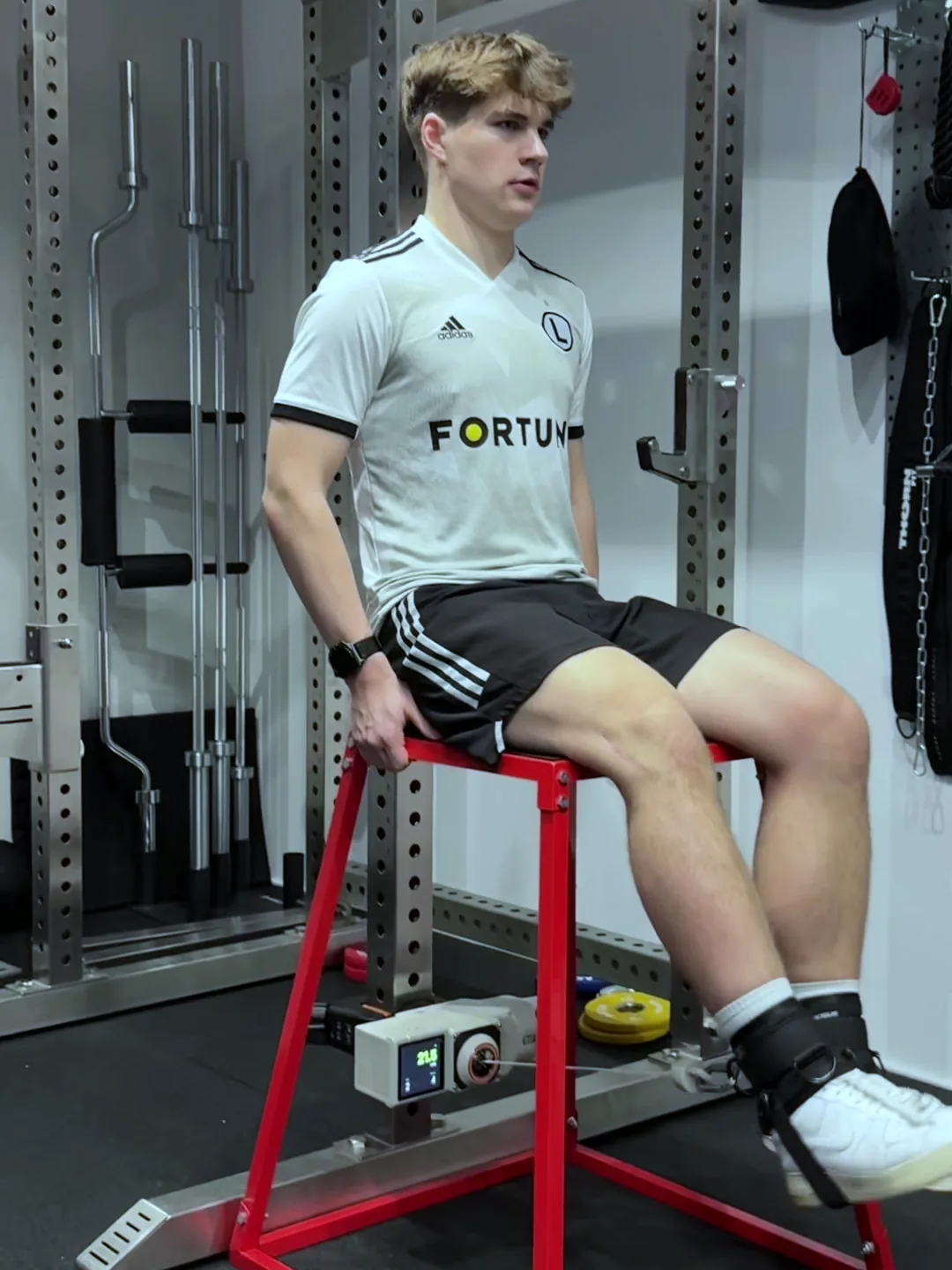
Who it is for
When to start rehabilitation after surgery
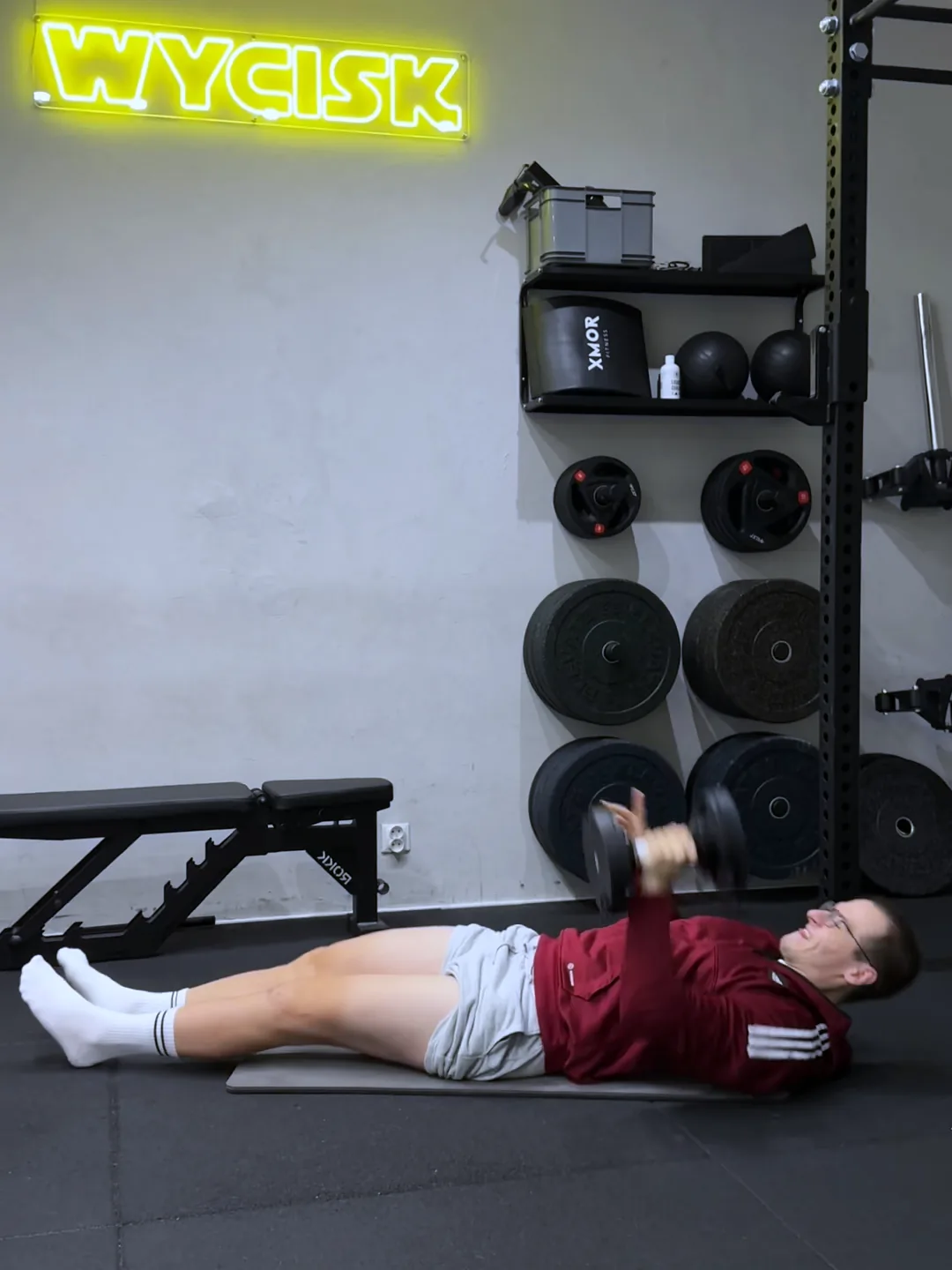
After knee surgery
Arthroscopy, ACL reconstruction, meniscus repair, knee replacement or osteotomy each require a different pace of introducing load and functional exercises.
After hip or spine surgery
We teach safe walking and movement patterns, and over time we build muscle strength and endurance.
After shoulder surgery
We start with gentle exercises for the neighbouring joints, and then bring in work for the rotator cuff and scapular stabilisers.
What a visit looks like
What rehabilitation after surgery looks like
- STEP 01
Assessment and consultation
A detailed interview and a functional assessment. On this basis we assess your condition and set the goals of rehabilitation.
- STEP 02
Individual plan
We do not use ready-made templates. We adapt the plan to the type of procedure, the stage of healing and your goals.
- STEP 03
Regular sessions
We base therapy above all on well-chosen exercises.
- STEP 04
Progress checks
We monitor progress and modify the programme when needed. At the end we give you recommendations that help maintain the results.
Reviews
What patients say
Trafiłam do Jerzego po operacji więzadła krzyżowego i mogę śmiało powiedzieć, że to fachowiec.
Rehabilitacja była dobrze zaplanowana i dopasowana do moich możliwości. Dziś znowu trenuję bez bólu.
Monika Wojtasik★★★★★
Rehabilitation after cruciate ligament surgery
Zgłosiłem się do Jurka w celu poprowadzenia mnie przez ostatnią fazę po rekonstrukcji ACL.
Naszym celem był powrót do piłki nożnej i udało się go osiągnąć po 4 miesiącach współpracy.
Kacper Kruk★★★★★
Return to football after ACL reconstruction
See all reviews on Google and Booksy (150+ reviews, average 5.0)
Price
How much does rehabilitation after surgery cost
260 PLN
Single visit
60 minutes. The first visit includes an interview, a functional assessment and a therapy plan.
240 PLN
In a package of 4 visits
960 PLN per package. Four sessions with an individually tailored plan. Includes a body composition analysis worth 240 PLN.
220 PLN
In a package of 8 visits
1,760 PLN per package. Includes force plate tests and a body composition analysis worth 735 PLN in total.
You will find details of the packages in the price list.
Studio
Post-operative rehabilitation at Zamoyskiego 49
The studio is at Zamoyskiego 49 in Praga-Południe, where Kamionek meets Grochów, with the entrance from the Grochowska side, near Skaryszewski Park and the Wedel factory. You can get here by train to Warszawa Wschodnia station or by car. Parking is about 50 m from the studio.
The same physiotherapist guides you from therapeutic exercise all the way to full loads.
Show on map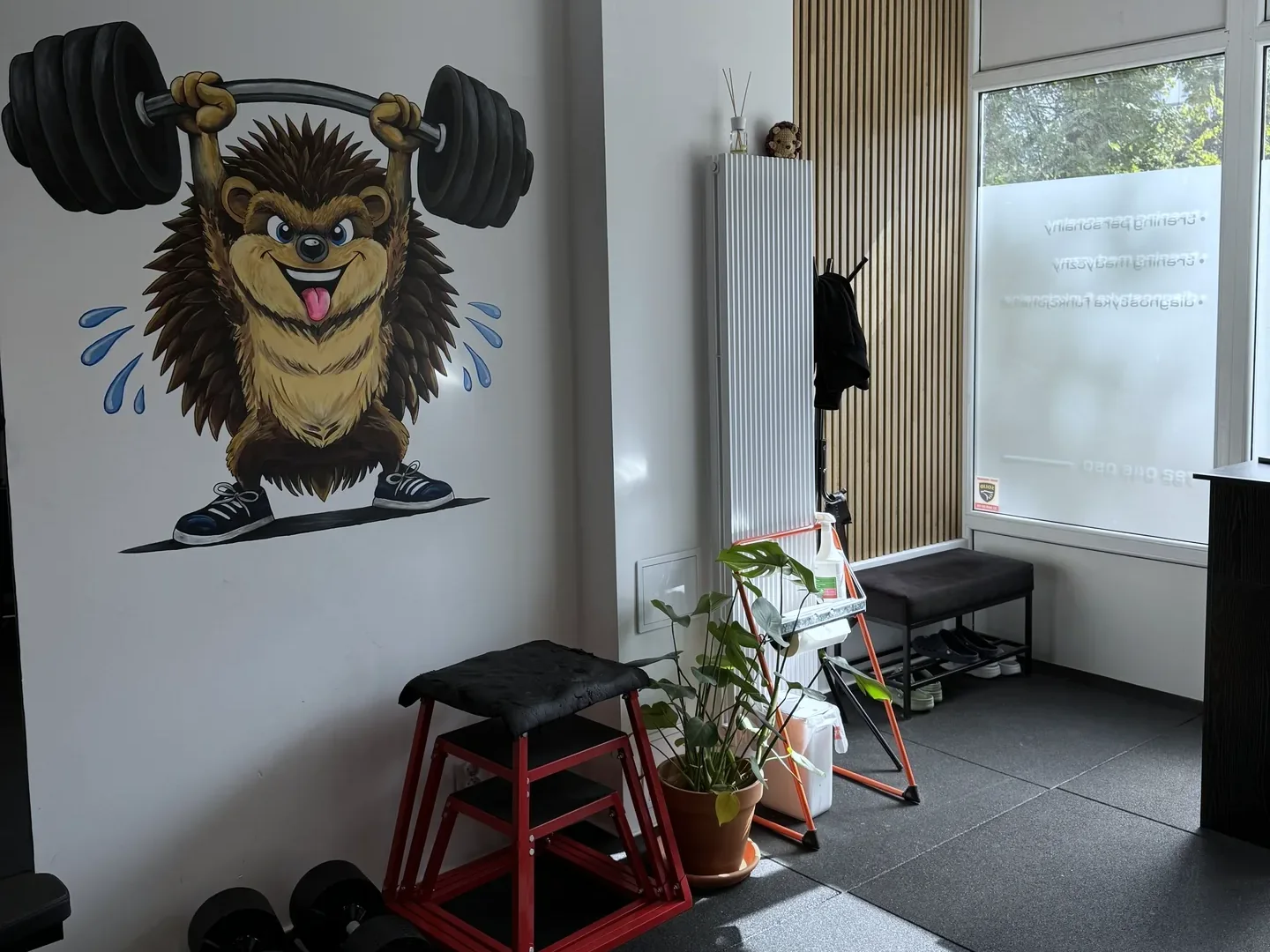
FAQ
Frequently asked questions about rehabilitation after surgery
We have collected the questions we hear from patients most often.
What is post-operative rehabilitation?
Post-operative rehabilitation is a process that helps you regain function after a procedure, reduce pain and return safely to everyday activities. At Studio Wycisk we rely above all on well-chosen exercises, not on treatments such as manual therapy.
How much does rehabilitation after surgery cost?
The price of post-operative rehabilitation, whether after ACL reconstruction, meniscus repair, spine surgery or surgery of the lower or upper limb, is 260 PLN. A package of 4 visits costs 960 PLN and a package of 8 visits 1,760 PLN.
How long does rehabilitation after lumbar spine surgery take?
The length of rehabilitation depends on the type of procedure, the healing process and the goal you are working towards, so it can take from a few weeks to several months. We adapt the therapy plan individually to provide the best conditions for a safe return to function.
What does rehabilitation after hip surgery look like?
We start rehabilitation with exercises that improve range of motion and walking, then gradually increase the load and introduce functional training. The programme is matched to the stage of healing and is designed to give you the best preparation for everyday activities.
When should rehabilitation start after cervical spine or shoulder surgery?
When rehabilitation starts depends on the type of procedure and the treating doctor’s recommendations, but the first exercises are often introduced in the first days after surgery. The earlier rehabilitation is properly planned, the greater the chance of a smooth return to activity.
When can I return to work after carpal tunnel surgery?
It depends on the type of work you do and how healing progresses; people working at a computer usually return sooner than those doing heavy physical work. It is worth making the decision about returning to work together with your doctor and physiotherapist, to provide the best conditions for a full return to function.
Can everyone return to full function after a knee replacement?
A knee replacement gives a new start to people with severe knee osteoarthritis. A return to everyday activities is possible, and the result depends on how rehabilitation goes after the procedure.
What should you do after knee surgery?
After knee surgery the most important thing is to follow the recommendations of your doctor and physiotherapist and to exercise regularly. In the first weeks you should return to activity gradually and avoid overloading the joint.
What should you avoid after knee surgery?
Avoid kneeling, sitting on low seats and crossing your legs, as this increases the load on the joint. Overloading the knee, standing for long periods or driving without your doctor’s consent is also not advisable. Any increasing pain, swelling or worrying symptom is worth discussing with a specialist straight away.
Why is post-operative knee physiotherapy important?
The surgeon repairs the structures, but it is rehabilitation that makes them work properly again. Without it, muscles weaken, range of motion decreases and the risk of complications rises. The sooner you start exercising after leaving hospital, the better the results you will achieve. We create every plan individually, based on the type of procedure, your health and your goals.
Read more about how we work
Post-operative physiotherapy: returning to function after surgery
Surgery is only the beginning of returning to function. We help patients after knee, shoulder, hip and spine procedures, providing rehabilitation after surgery in Warsaw. Book your first visit and let’s get started.
At Studio Wycisk, Physiotherapy and Training, you can book an online consultation, use rehabilitation with home visits, or visit us at the studio at Jana Zamoyskiego 49 in Warsaw, in Praga-Południe (near Skaryszewski Park and the Wedel factory).
Rehabilitation after a surgical procedure
Our patients include people after surgery of the:
- lumbar spine,
- anterior and posterior cruciate ligament (ACL and PCL),
- meniscus injury,
- knee arthroscopy,
- hip or knee joint replacement,
- Achilles tendon.
See below how we work in particular cases.
Rehabilitation after hip surgery
After hip surgery we first teach the patient safe, correct walking and restore basic range of motion in the joint. As healing progresses, we gradually strengthen the gluteal muscles and pelvic stabilisers, reducing stiffness and preparing the joint for full load.
Rehabilitation after spine surgery
After spine procedures the priority is to offload the operated segment and learn safe everyday movement patterns. We progress therapy gradually, from stabilisation exercises to muscle strength and endurance training, minimising the risk of complications and recurrence of symptoms.
Rehabilitation after knee surgery
A knee after surgery needs work on several fronts at once: range of motion, quadriceps strength and joint stability. Depending on the type of operation, arthroscopy, ACL reconstruction, meniscus repair or knee replacement, we set a different pace for introducing load and functional exercises.
Arthroscopy
Although arthroscopy is minimally invasive, the knee needs rehabilitation after the procedure. Physiotherapy lets you regain range of motion, strength and joint stability.
Anterior cruciate ligament (ACL) reconstruction
An ACL rupture is one of the most common sports injuries, and one of the most frustrating. We know what you are going through, because one of our physiotherapists had cruciate ligament reconstruction a few years ago. Today we help patients return to full function after this procedure.
Arthrolysis
After surgery or long immobilisation, adhesions sometimes form in the joint: fibrous tissue that limits movement and causes pain. Arthrolysis removes these blocks surgically, but the procedure alone is not everything. For the knee to regain full range of motion, physiotherapy is needed: stretching exercises, work on tissue flexibility and a gradual increase in load.
Meniscus repair
After suturing, the meniscus needs time to heal, so the first weeks are isometric exercises and gentle mobility work, without forcing the knee. In later stages we gradually introduce resistance exercises, plyometric training and learning correct movement patterns. We adapt everything to the pace of your healing.
Meniscectomy
Meniscectomy, meaning partial or complete removal of the meniscus, allows a faster return to activity than repair. Rehabilitation starts with controlling swelling and restoring basic range of motion. Later we move on to quadriceps strengthening exercises and knee stability training.
Cartilage repair
After cartilage repair the knee needs time for the new tissue to integrate with the joint. At first we work on mobility without loading: unloaded exercises, a stationary bike, passive movements. Later we gradually introduce strengthening exercises and functional training.
Knee replacement
Knee replacement surgery changes the way the knee works. After the procedure the patient has to learn to walk again. The aim of rehabilitation is to restore a correct walking pattern and a return to everyday activities.
Osteotomy
Osteotomy restores the correct axis of the limb and protects the joint from further degeneration. Rehabilitation progresses gradually: from exercises that ease pain and swelling, through rebuilding muscle strength, to stability training.
Rehabilitation after shoulder surgery
A shoulder after surgery usually needs initial immobilisation, so we start rehabilitation with gentle exercises for the neighbouring joints, protecting the repaired structures. The next stages gradually bring in active work of the rotator cuff and scapular stabilisers, up to strength training and the overhead movements needed to return to sport or work.
How should you prepare for a physiotherapy visit after surgery?
Bring your medical records to the first visit: the hospital discharge summary, the surgery report, recommendations from your treating doctor and imaging results, if you have them. It is also worth wearing comfortable clothing that allows the operated area to be examined freely and the necessary tests to be done.
What does the rehabilitation process look like?
The process of rehabilitation after surgery at Studio Wycisk, Physiotherapy and Training, consists of four stages:
- assessment and consultation,
- drawing up an individual rehabilitation plan,
- regular physiotherapy sessions,
- monitoring progress and preventive recommendations.
The first visit begins with a detailed interview and a functional assessment. On this basis we assess your condition and set the goals of rehabilitation.
Next we draw up a rehabilitation plan. We take an individual approach to every patient, so we do not use ready-made templates; we adapt therapy to the type of procedure, the stage of healing and the goals you want to achieve.
During the following visits we carry out the plan, basing therapy above all on well-chosen exercises. We monitor progress as we go and modify the rehabilitation programme when needed so that it matches your current abilities.
When we finish working together, we assess the results achieved and give you recommendations that will help maintain the results of therapy and reduce the risk of symptoms returning.
Why choose us for post-operative rehabilitation in Warsaw?
Our patients value a professional approach based on thorough assessment, regular monitoring of progress and a gradual increase in load. In their reviews they also highlight the comfort of working together, clear explanations of the course of rehabilitation and preparation for a safe return to activity and sport.
Written by Jerzy Wycisk, MSc, physiotherapist (PWZFz 78471). Updated: 5 November 2026.
Book your first visit
One hour for an interview, a functional assessment and a plan of work. We see patients at Zamoyskiego 49 in Praga-Południe.