Home / Physiotherapy and Rehabilitation in Warsaw
Physiotherapy and rehabilitation Warsaw
We provide rehabilitation after surgery and injuries, and for knee, shoulder and spine pain. We combine physiotherapy with individual training, so that besides reducing symptoms we rebuild strength and fitness.
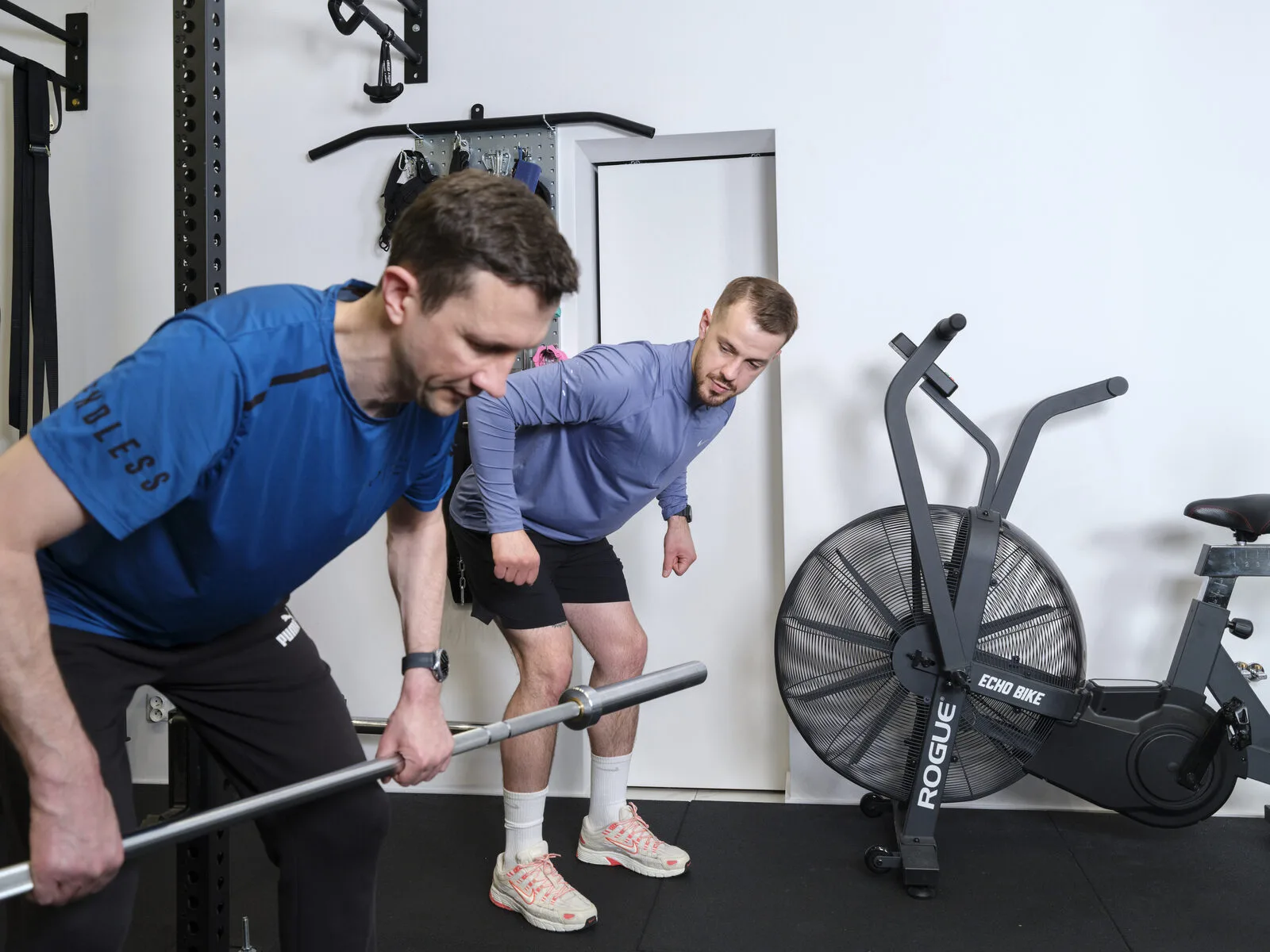
How we work
01
Diagnosis
We start the first visit with an interview and a functional examination: range of motion, muscle strength, responses to specific tests. On this basis we know what to work on.
02
An individual plan
We base the plan on exercises chosen according to the assessment results and your goals. We agree what we do at visits and what you do on your own between them.
03
Monitoring progress
We check progress as we go and adjust the load to it. We measure strength and differences between the sides of the body using force plates, among other tools.
Conditions
What patients most often come to us with
We specialise in post-operative rehabilitation and work with chronic pain. Choose the problem you are coming with and read how we work on it.
After surgery
We work according to post-operative protocols and, when needed, contact the treating doctor.
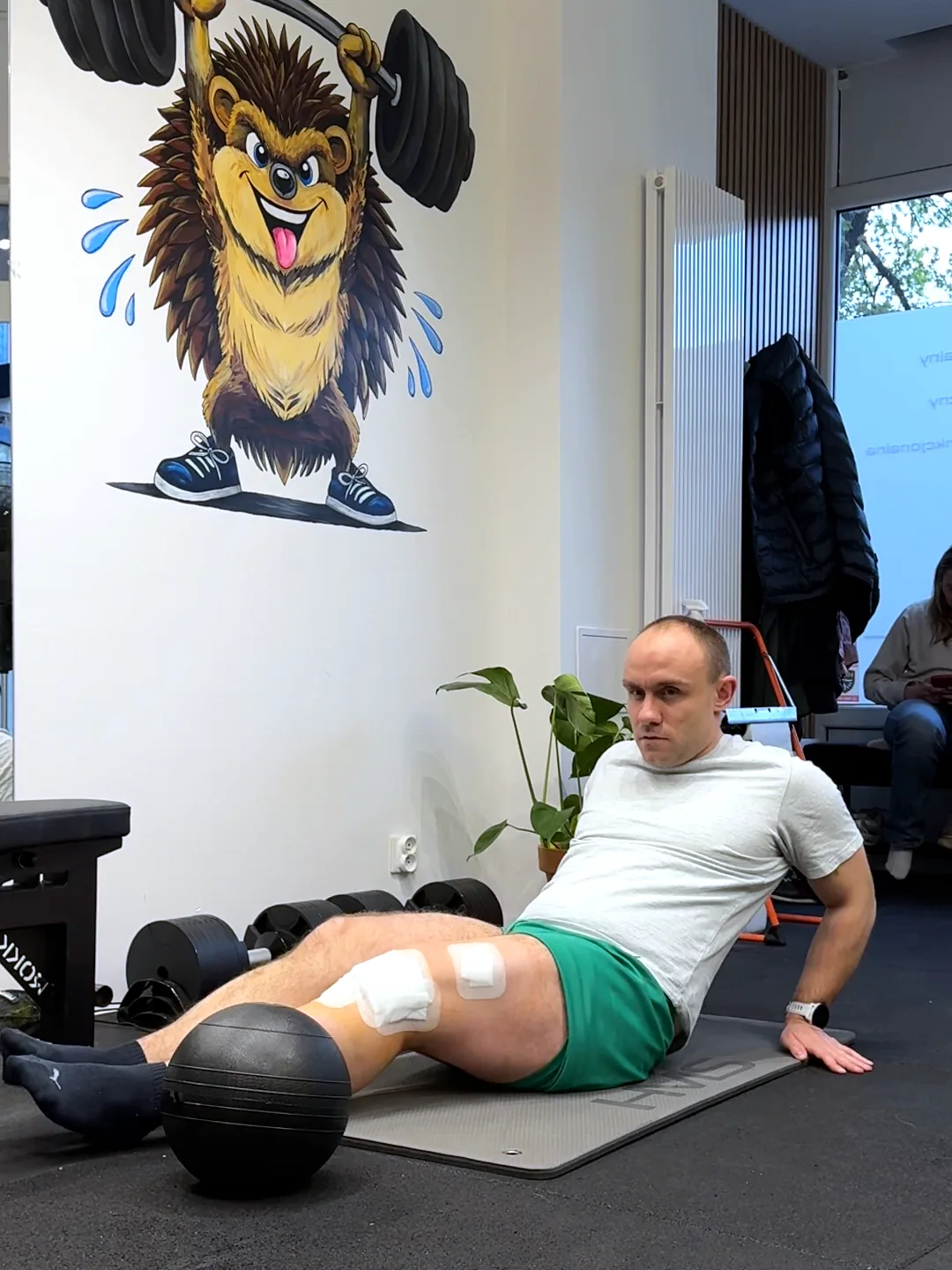
ACL reconstruction
From the first days after surgery, through rebuilding strength, to returning to sport based on force plate tests.
Read more
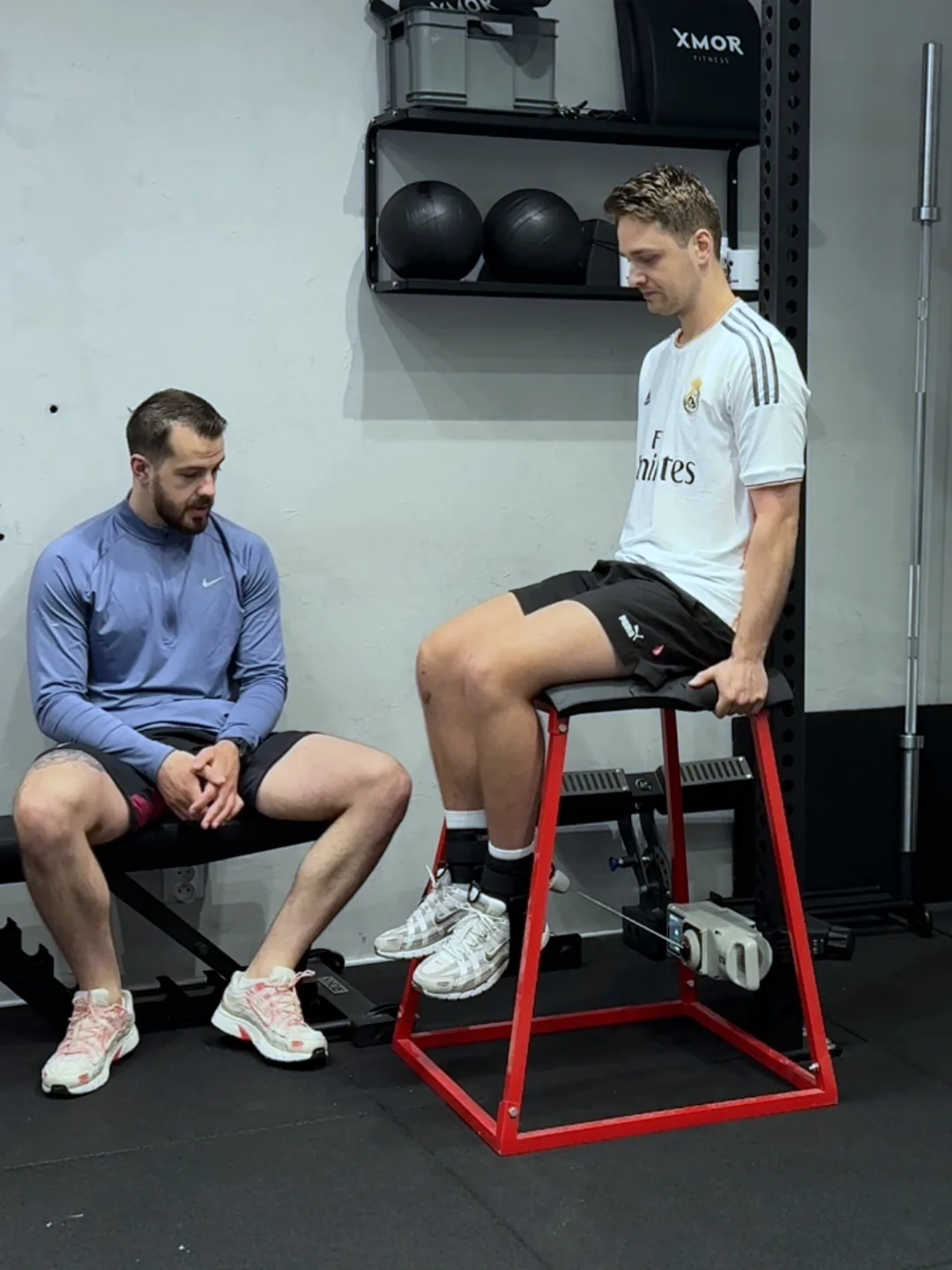
Meniscus repair
In line with the operating surgeon’s recommendations, we increase range of motion and load in stages.
Read more
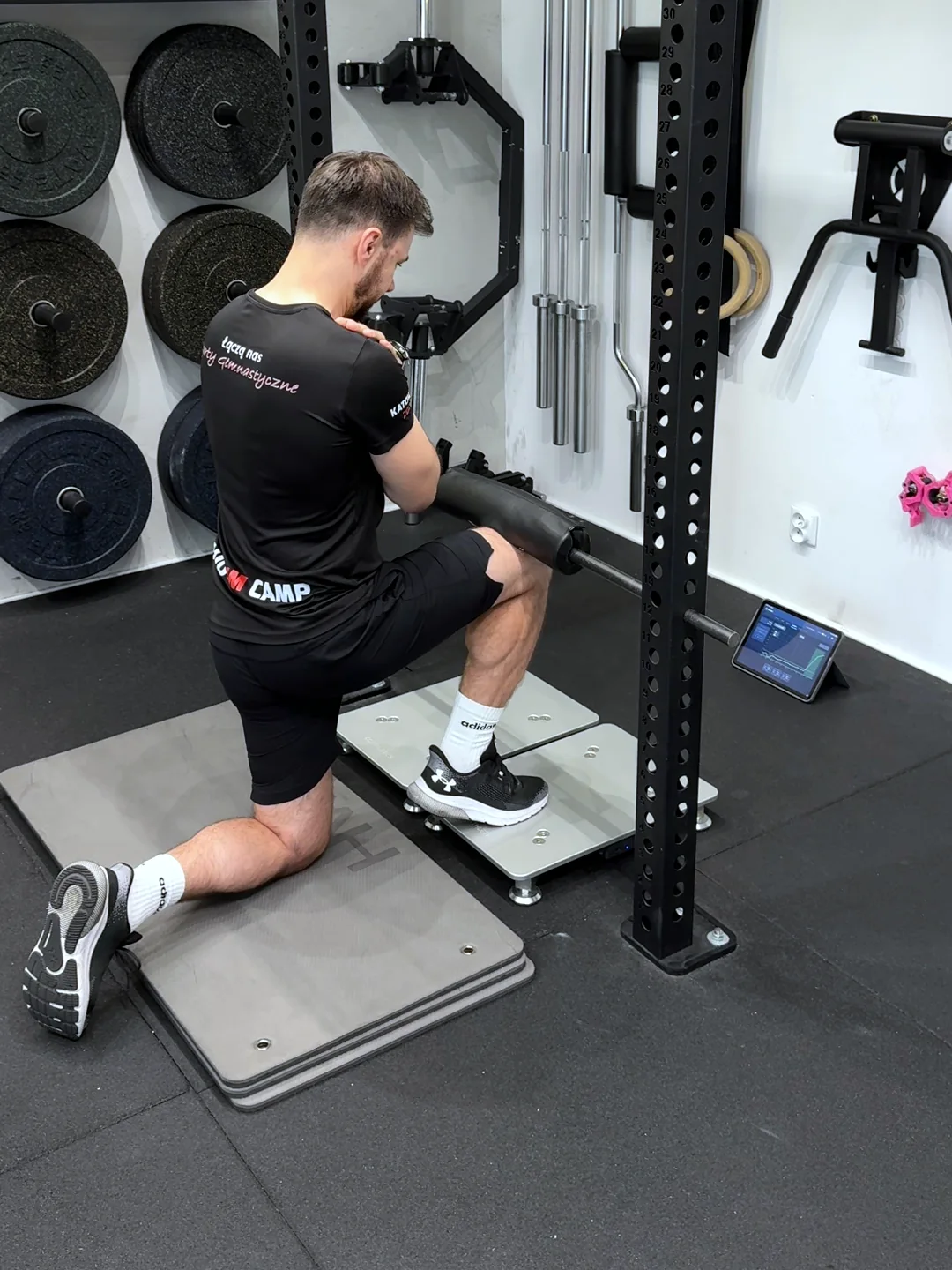
Achilles tendon
Tendinopathy and rupture, including after surgery. From protecting the tendon to running and jumping.
Read more
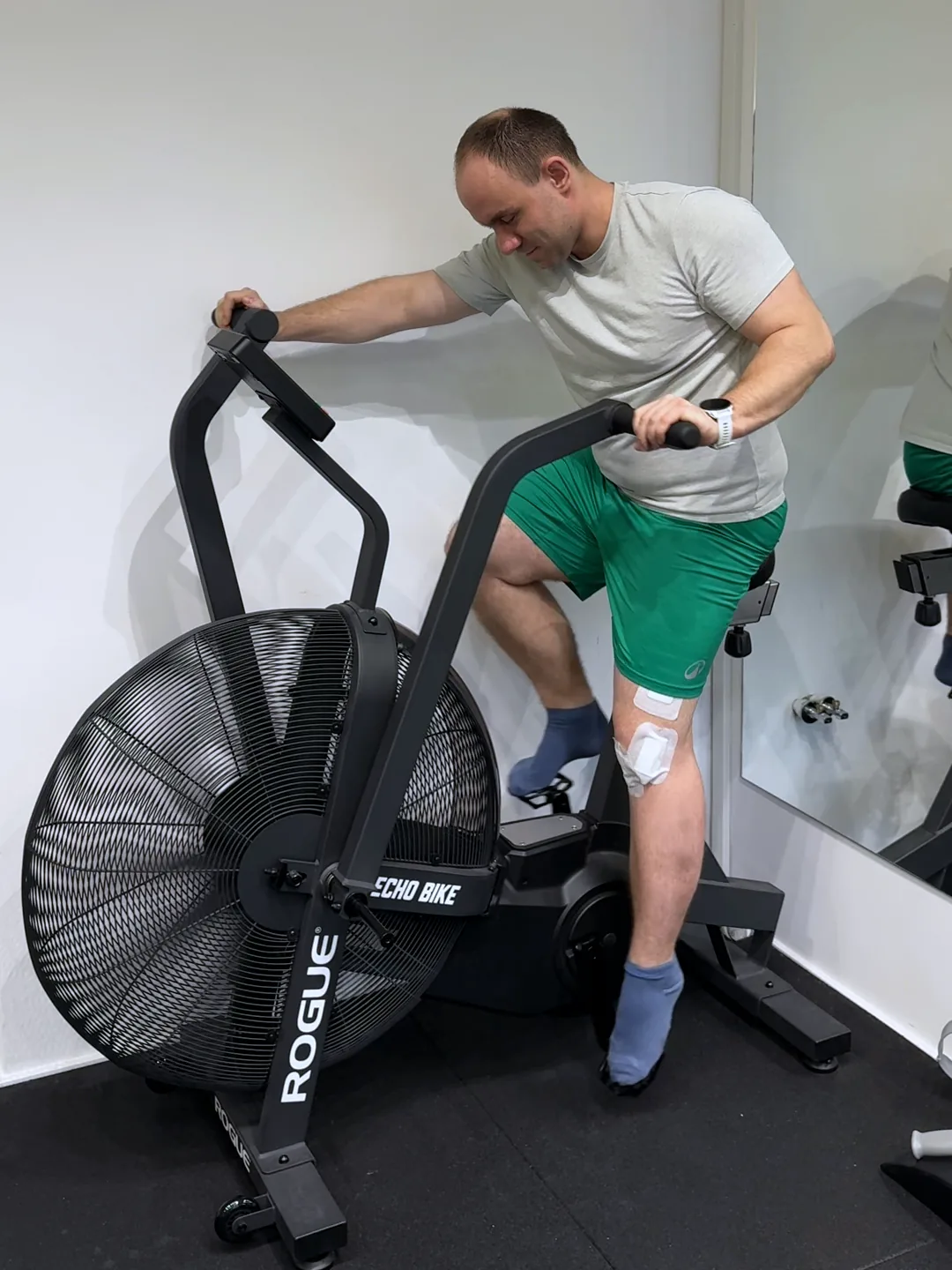
Knee arthroscopy
Surgery is only the beginning. What happens afterwards decides your return to full function.
Read more
After injuries
Sprains, strains, fractures and overload without surgical intervention.
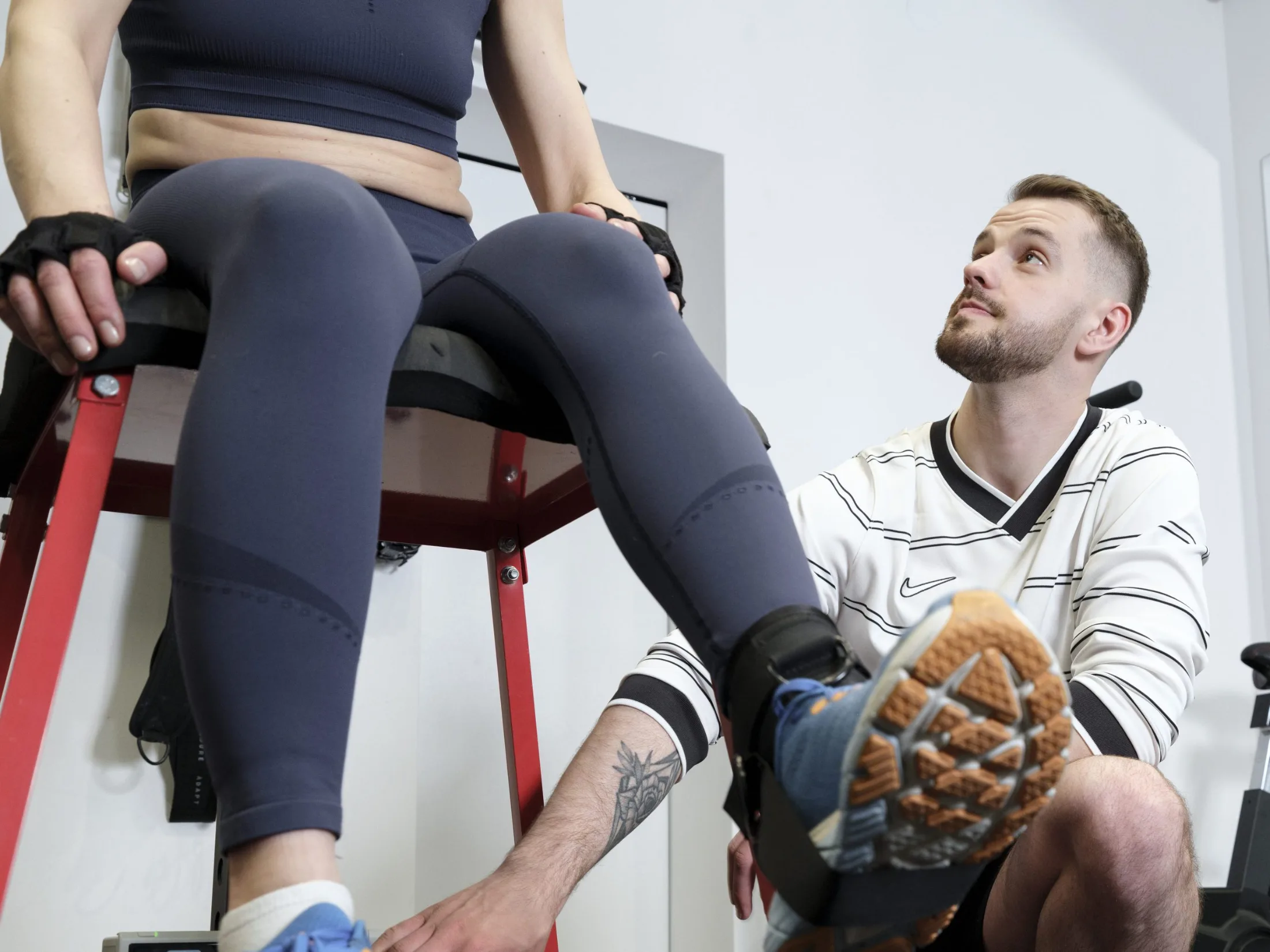
Knee physiotherapy
Jumper’s and runner’s knee, patellar pain, meniscus damage without surgery. We look for the cause of overload, often in the hip or foot.
Read more
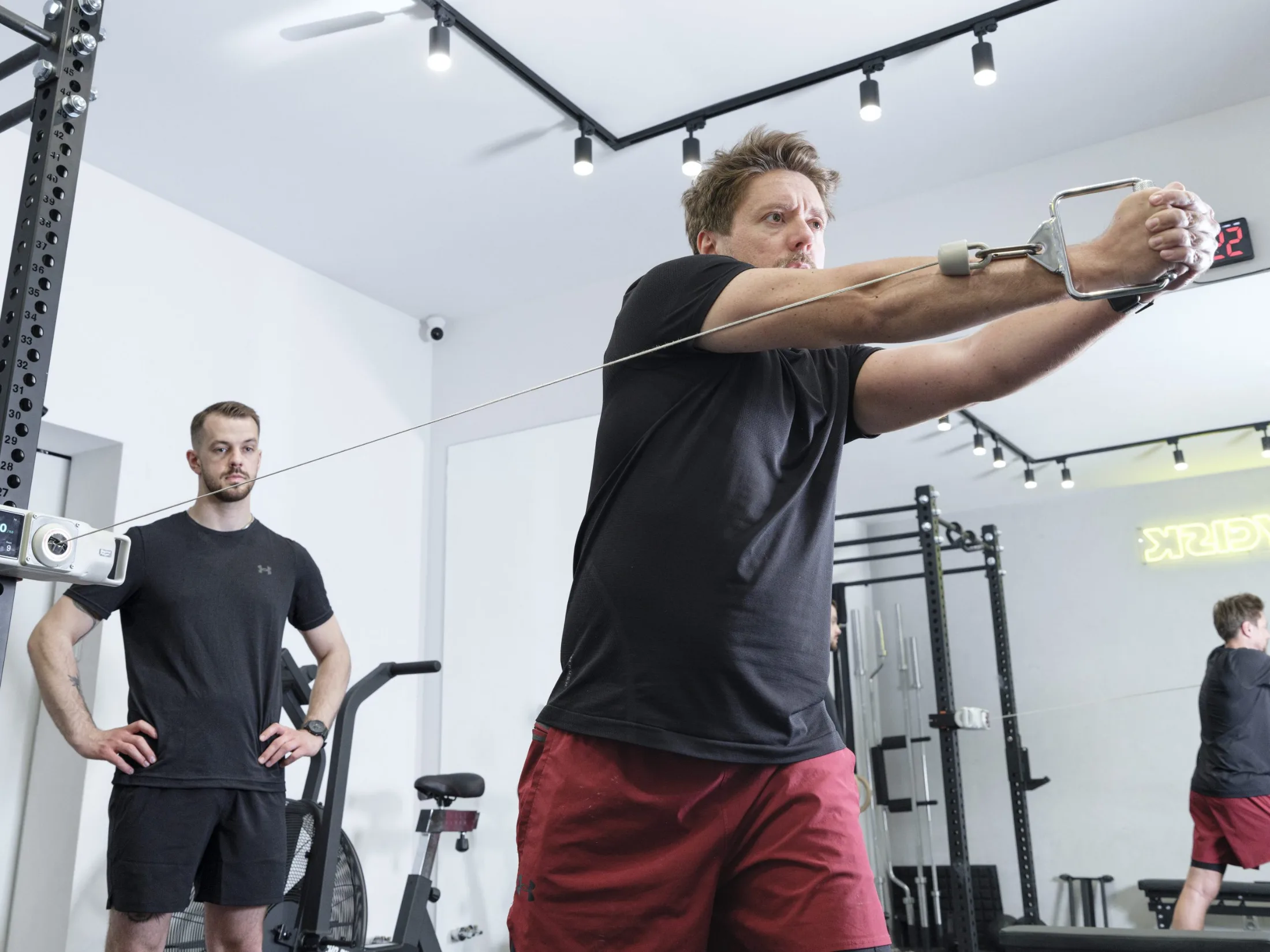
Shoulder physiotherapy
Rotator cuff, instability after dislocation, subacromial impingement. We rebuild range of motion and overhead strength.
Read more
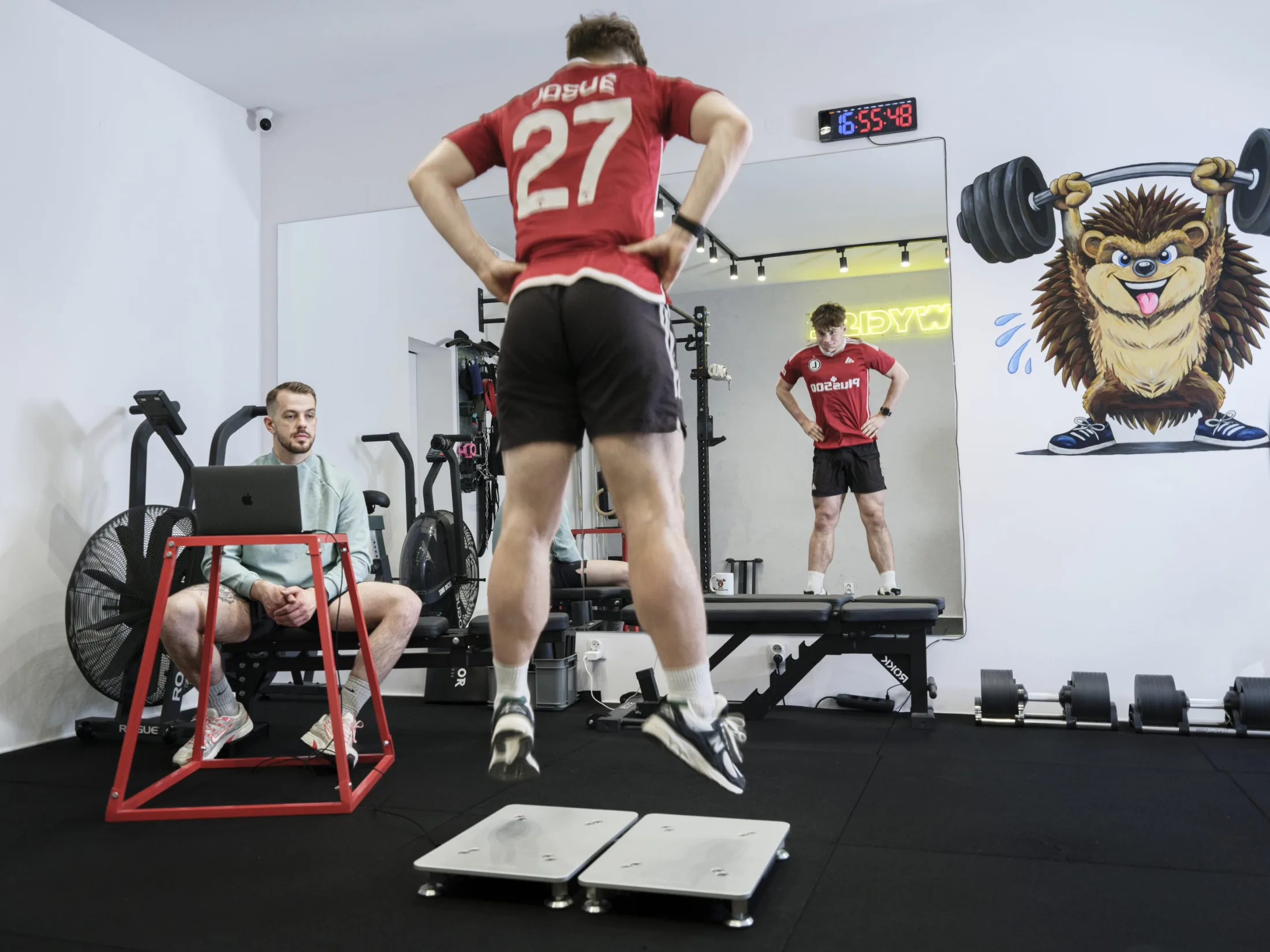
Returning to function after injury
After immobilisation we rebuild range of motion, muscle strength and confidence in loading, at the pace of healing.
Read more
Chronic pain
Pain lasting for months rarely has a single cause. We base therapy on a thorough understanding of your problem and lifestyle and look for lasting solutions.
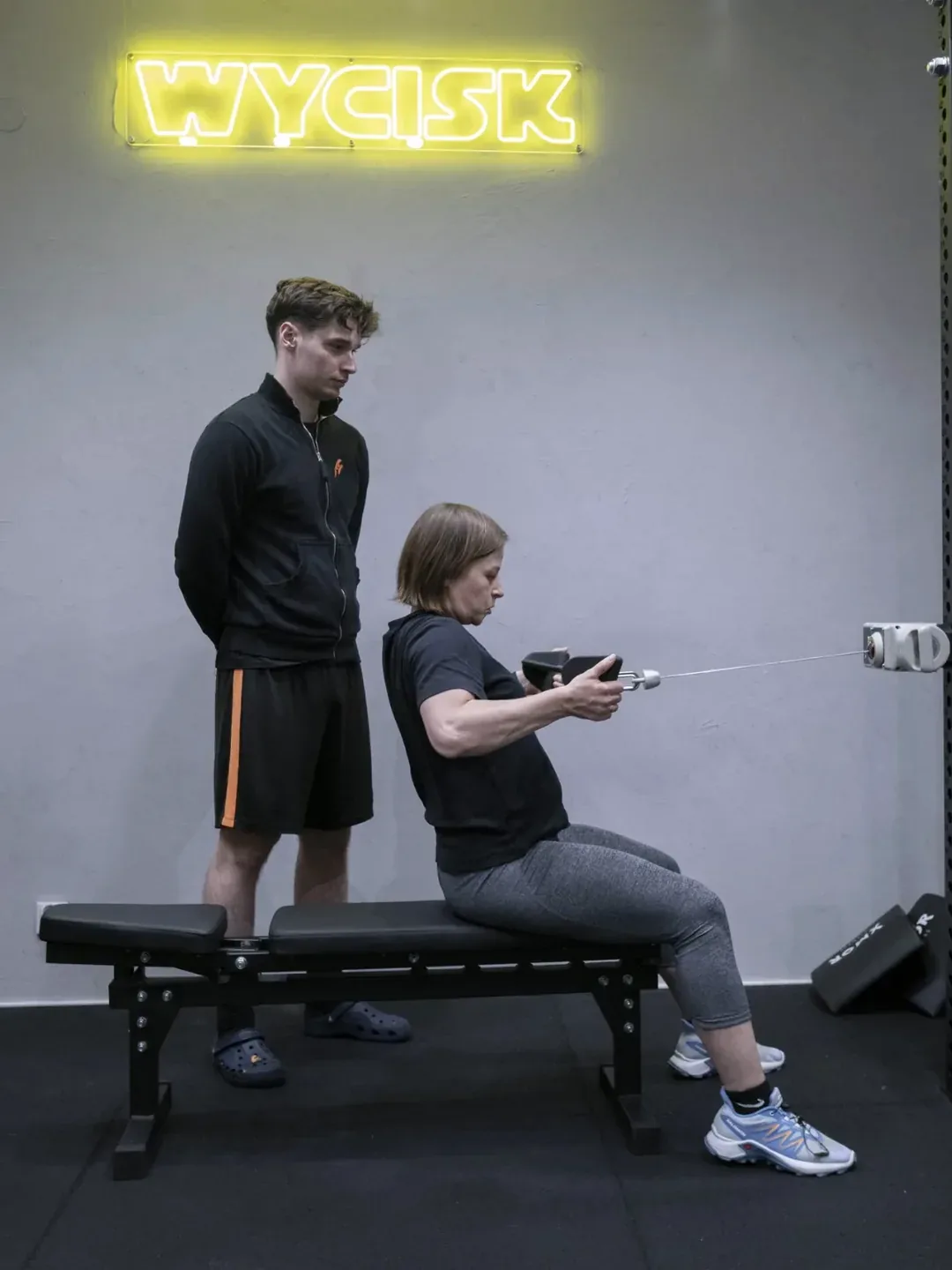
Back pain
Disc problems, sciatica, pain from sitting. We work with strength, gradually getting the spine used to load.
Read more
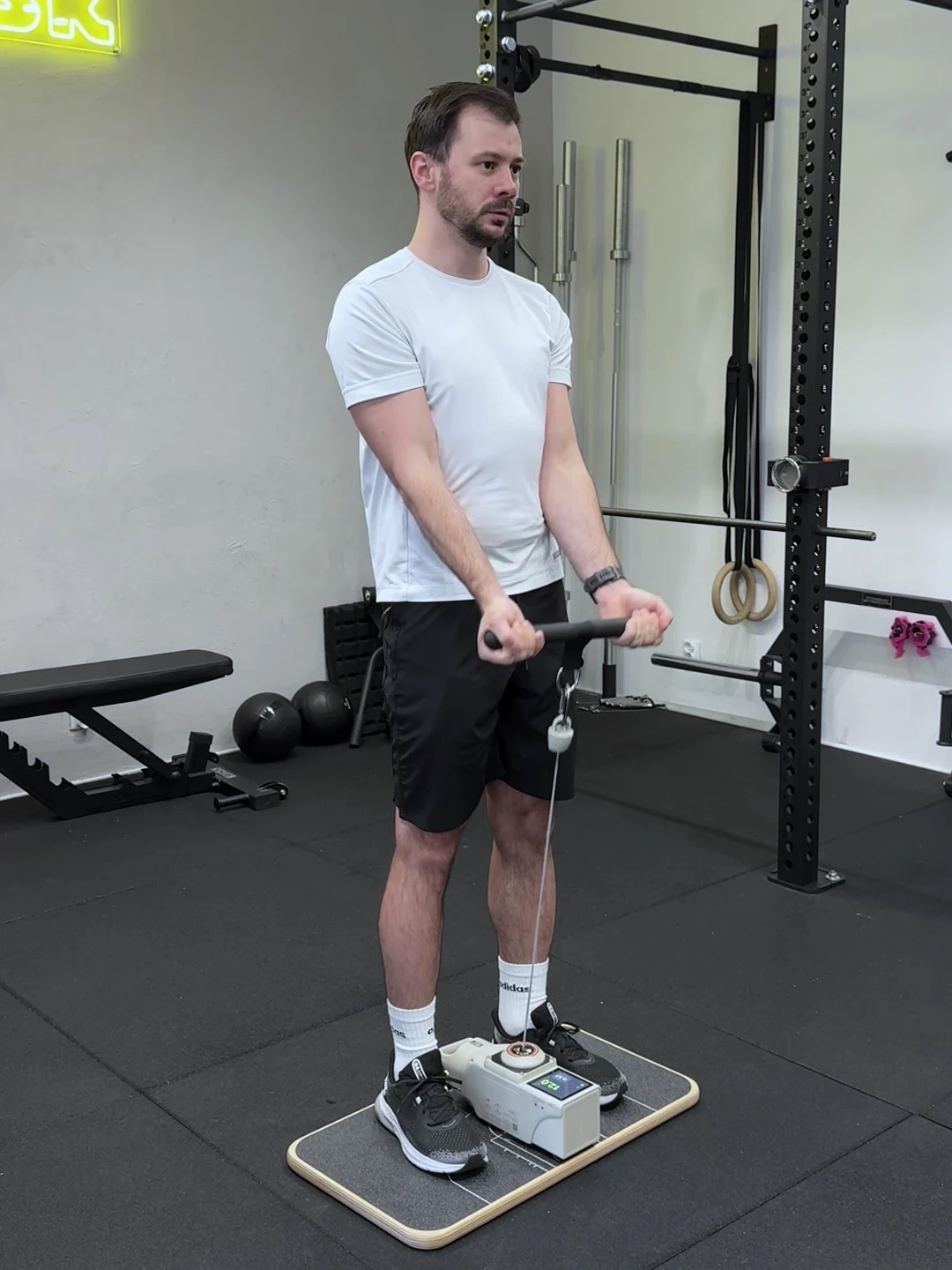
Shoulder pain
Pain when raising the arm, waking at night, frozen shoulder. We restore scapular control and strength through the full range.
Read more
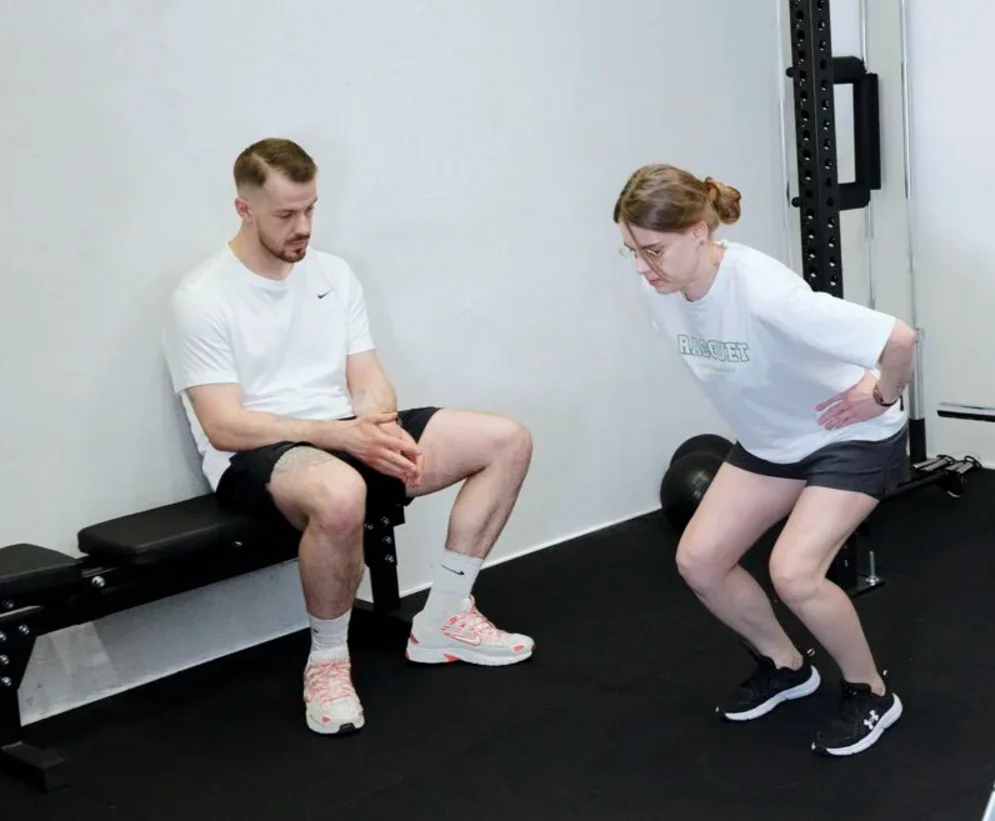
Hip pain
Femoroacetabular impingement, groin and trochanteric pain, degenerative changes. We also examine the hip in cases of knee and back pain.
Read more
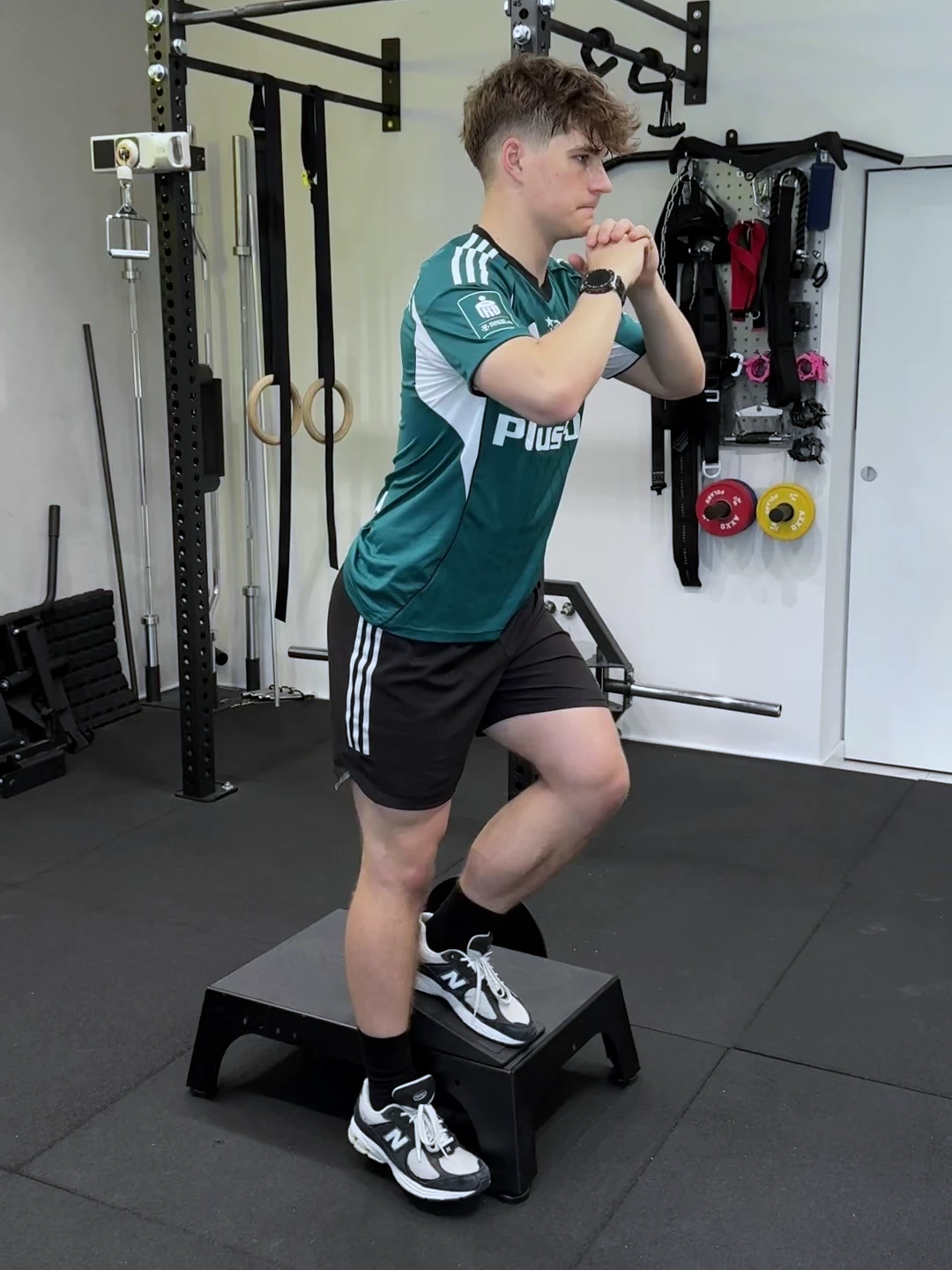
Knee pain
Knee osteoarthritis, Baker’s cyst, pain after years of running. Changes on a scan do not mean giving up movement.
Read more
Reviews
What patients say about physiotherapy at Studio Wycisk
Trafiłam do Jerzego po operacji więzadła krzyżowego i mogę śmiało powiedzieć, że to fachowiec.
Rehabilitacja była dobrze zaplanowana i dopasowana do moich możliwości. Dziś znowu trenuję bez bólu.
Monika Wojtasik★★★★★
Rehabilitation after cruciate ligament surgery
Po prawie 3 miesiącach ćwiczeń z Jurkiem i Jankiem bark wrócił do pełnej sprawności.
Trafiłem do Jerzego po zwichnięciu barku. Polecam w 100%.
Łukasz Mierzwinski★★★★★
Dislocated shoulder and return to boxing
Dzięki jego zaangażowaniu udało mi się uniknąć operacji kręgosłupa, którą już drugi raz zalecał mi neurochirurg.
Przez trzy miesiące ćwiczyliśmy regularnie dwa razy w tygodniu. Jerzy pomógł mi stanąć na nogi – dosłownie i w przenośni.
Monika Gajda★★★★★
Spinal pain, surgery avoided
See all reviews on Google and Booksy (150+ reviews, average 5.0)
Prices
How much a visit costs
Step 1
First consultation
At the first visit we discuss what brings you to us, review your test results and medical history, and assess your movement patterns and strength. Based on this we agree a rehabilitation plan.
260 zł/ 60 min
Step 2
Single visit
260 zł/ visit
You pay for one 60-minute visit.
Paymentper visit
Package of 4 visits
240 zł/ visit
Package of 4 visits, we agree the dates individually.
Whole package960 zł
You save80 zł
Body composition analysis240 zł0 zł
Most popular
Package of 8 visits
220 zł/ visit
Package of 8 visits, we agree the dates individually.
Whole package1 760 zł
You save320 zł
Force plate testing and body composition analysis735 zł0 zł
Why us
Why use our services?
At Studio Wycisk we make sure that one physiotherapist leads the whole process, from the first visit to your return to activity. This way you do not have to explain your history again or start rehabilitation from scratch at every visit. Every decision follows from what came before and from what you want to achieve. Effective rehabilitation rests on exactly this continuity.
The founder of the studio, Jerzy Wycisk, has completed over 1,000 hours of training in Poland, the United Kingdom and the Czech Republic, including with Ben Cormack, Greg Lehman, Peter O’Sullivan and Mick Hughes.
Read on →
Location
Rehabilitation in Warsaw: location
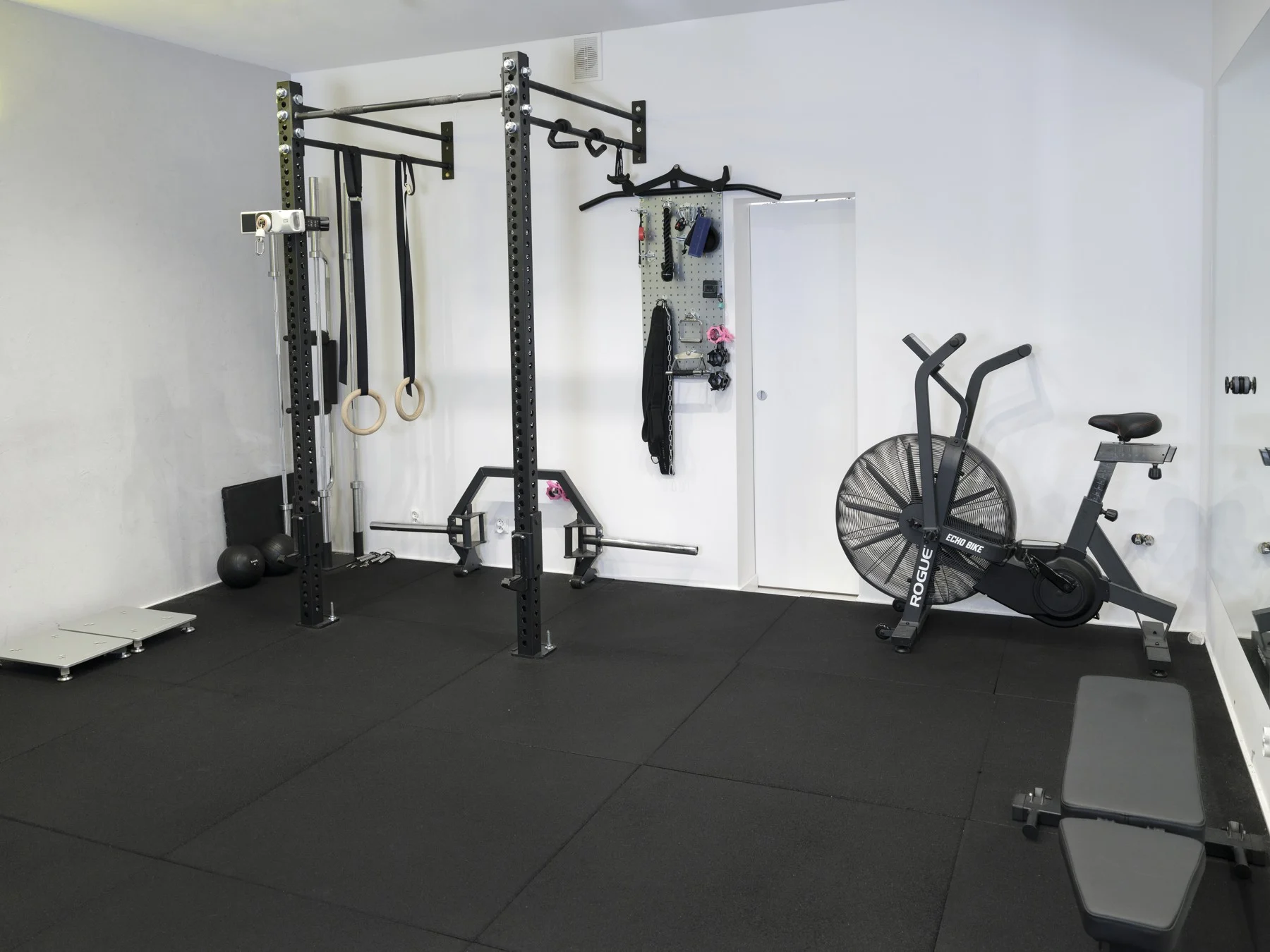
We see rehabilitation patients in Praga-Południe, at Zamoyskiego 49 in Kamionek, close to Grochów. It is a convenient location for residents of eastern Warsaw and, thanks to good public transport, accessible from other districts too.
The studio is opposite the Wedel factory, with the entrance from Grochowska Street. You can walk here in a few minutes from Warszawa Wschodnia station or from Stadion Narodowy metro station, and parking is about 50 m away.
Have questions or want to book a first visit? Get in touch and we will reply as soon as possible.
Scope of services
Scope of rehabilitation services in Warsaw
Every patient comes to us with a different history and expectations. That is why our studio covers several areas of rehabilitation.
Orthopaedic
Orthopaedic rehabilitation deals with complaints of the musculoskeletal system: joints, muscles, ligaments and bones. We work with people struggling with knee, shoulder, hip or ankle pain, both after injuries and in the case of overload or degenerative changes. A functional examination lets us pinpoint the source of the problem and choose methods that will really affect your body, not just ease pain for a few days.
Sports
Sports rehabilitation covers the full process of returning to activity: from diagnosis, through rebuilding strength, to fitness tests that confirm you are ready for sport. We work with both professionals and amateurs.
Post-injury
A sprain, a muscle strain, a fracture: every injury needs a different pace and a different rehabilitation plan. The key is to build the tissues’ tolerance to load gradually: pushing too fast has the opposite effect, going too slowly needlessly prolongs the return to function. At Studio Wycisk we track the patient’s progress and adjust the exercises to their abilities as we go.
Spine
Spine pain is one of the most common complaints patients bring to us. We work with people suffering from lumbar, thoracic and cervical pain, both acute and chronic. Our approach is based on active rehabilitation: instead of passive treatments we rely on strengthening exercise and education about pain mechanisms. Understanding what is happening in the body makes it easier to return to activity.
Post-operative
After every orthopaedic operation (ACL reconstruction, knee arthroscopy, shoulder or spine surgery) well-planned physiotherapy is needed. You will find details of individual cases above, in the section on conditions after surgery.
Pre-operative
Rehabilitation before surgery is an investment that pays off after the operation. Strengthening muscles, improving range of motion and learning exercises that will continue after the procedure all translate into faster recovery and better treatment results. If you are waiting for a surgery date, make use of that time.
How we work
More about our methods
Below we describe what a physiotherapy visit at our studio looks like and what sports rehabilitation involves.
A physiotherapy visit: how does it go?
The first visit starts with a conversation. The physiotherapist asks about the history of your complaints, treatment so far, the nature of the pain and how the problem affects daily life. This is not a formality but the basis for a reliable diagnosis.
The next step is a functional examination, which includes assessment of:
- range of motion,
- muscle strength,
- joint stability,
- movement patterns.
Only then do we build an individual therapy plan from the data collected, with no ready-made templates or copied exercises.
During the session we explain the purpose of the chosen exercises and make sure they are done correctly. The plan is modified as you progress, because rehabilitation is a process, not a one-off visit.
Sports rehabilitation: what does it involve?
Every athlete is different. A first-division footballer trains differently from an MMA fighter preparing for a fight night, and differently again from an amateur runner who has just sprained an ankle on a morning jog. That is why rehabilitation is never the same set of exercises copied from patient to patient.
Analysis of the demands of the sport. Every discipline places different demands on the body: from strength and explosiveness in combat sports to speed and endurance in team sports. Analysing these demands lets us plan training that not only rebuilds function but also prepares the body for the loads it meets on the mat, the pitch or in the gym.
Tests before returning to sport. Returning to sport without proper preparation is the fast track to re-injury. Tests of strength, jump height, endurance and symmetry between limbs let us objectively assess whether the body is ready for sporting effort. We run them on force plates.
Preventing further injuries. Effective rehabilitation does not end with healing the current problem. We strengthen weak links, improve movement patterns and run training that prepares you for playing sport over the long term.
Read on →
Frequently asked questions about rehabilitation
No answer to your question here? Call us or book a first visit and we will talk it through in person.
What does rehabilitation involve?
Rehabilitation means restoring the function and ability a patient lost after an injury or illness. It includes both exercises aimed at rebuilding strength, range of motion and stability, and physical therapy or manual therapy. The process is matched to the patient’s individual needs, often divided into stages before and after procedures, and its effectiveness depends on the patient’s active participation and on constant monitoring of progress by a specialist. The aim is not just to ease pain but to return safely to full function and everyday activity.
When is rehabilitation needed?
Rehabilitation is needed whenever physical function or the body’s condition has been limited. This may result from injury, surgery, chronic illness, stroke, a fracture or long-term immobilisation. Indications also include chronic pain, limited joint mobility, muscle weakness or the need for support in maintaining physical and mental fitness, for example in older people.
What types of rehabilitation are there?
In our studio we provide orthopaedic, sports, post-injury, spine, post-operative and pre-operative rehabilitation. We describe each of these areas above, in the section on the scope of services.
When is rehabilitation worth starting?
Therapy is used both by people after injuries and surgery and by patients with chronic pain or limited mobility. The help we offer is suitable for people of all ages.
How long does rehabilitation take?
The length of rehabilitation depends on the patient’s individual situation and the type of condition: it can last from a few weeks to several months.
Does rehabilitation always lead to full recovery of function?
It does not always lead to a full recovery of function. In many cases the goal is to improve functioning, maintain the current level or prevent further limitations.
Can rehabilitation cause pain?
Some treatments may cause discomfort, especially at the start of therapy. Exercises are, however, chosen so that they are achievable and safe.
Does rehabilitation require a doctor’s referral?
A referral is only needed for rehabilitation funded by the NFZ (the Polish public health fund). Privately, you can use our services without a referral.
Book your first visit
One hour for an interview, a functional assessment and a plan of work. We see patients at Zamoyskiego 49 in Praga-Południe.